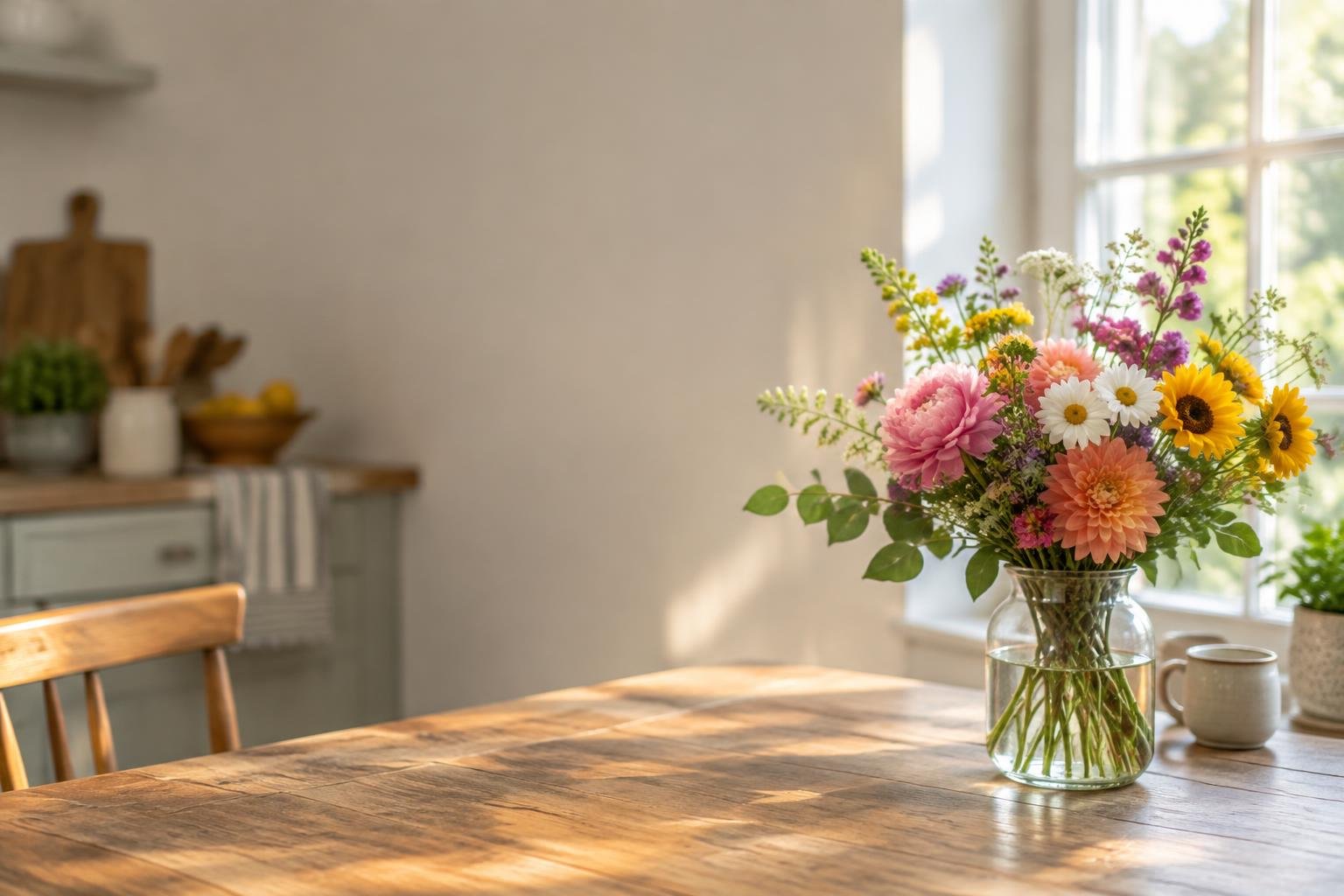
A fresh bouquet will last longer with a few small habits, and none of them are difficult. The first is to unwrap it and take a look. Paper and twine are lovely for carrying, but the stems want to sit in water as soon as you are home. Flowers start to dry out the moment they are cut, so a short wait matters more than you might think.
Cut the stems at an angle with clean scissors or a sharp knife. A fresh cut opens the stem so it can drink easily. The angle also keeps the stem from resting flat on the bottom of the vase, where it could seal itself against the glass. Dull blades tend to crush the stem, which makes it harder for water to travel upward.
Remove any leaves that would sit below the waterline, since they rot quickly and cloud the water. Bacteria feed on that soft plant material, and they multiply fast in a warm room. Those bacteria can clog the cut end of a stem, so the flower thirsts even though the vase looks full. Stripping the lower leaves takes little time and pays off.
Think of the stem as a bundle of tiny straws. Anything that blocks those straws, whether it is a bubble of air, a crushed edge or a film of bacteria, slows the flow of water to the bloom. Most of the habits in this post come down to the same idea: keep the straws open, keep the water clean, and keep the flowers calm.
Water and the Vase
Use a clean vase. Even a vase that looks clean can hold residue that shortens the life of the flowers, so a quick wash with soap and a good rinse is worth the effort. A clear glass vase also lets you see the water level at a glance, which makes it easier to remember to top it up.
Change the water every couple of days, and top it up in between. Fresh water is the single biggest thing you can do. Each time, give the stems another small trim if you have a moment. Cloudy or smelly water is a clear sign that it is overdue, and the flowers will look better the same day you replace it.
When you change the water, lift the whole bunch out and rinse the stems under the tap. Slimy stems are a sign of bacteria, and a gentle rub with your fingers clears them. Then refill the vase, retrim, and put the flowers back. Lukewarm water is a sensible choice for most cut flowers, though bulb flowers like tulips often prefer it cold.
Flower food, the little packet that sometimes comes with a bouquet, has a bit of sugar for energy and something to keep the water from turning. It helps, but it is not magic. Clean water and fresh cuts matter more. If you use the packet, follow its directions and mix it in the vase, because too much can do more harm than good.
Choosing the Right Spot
Placement matters as well. Keep flowers out of direct hot sun and away from heaters, and away from a bowl of ripening fruit, which can make some blooms age faster. A cooler spot will keep petals fresh for longer. Heat speeds up how quickly a flower loses water through its petals and leaves.
Ripening fruit gives off ethylene, a natural gas that tells plants to age. Some flowers, such as carnations and snapdragons, are especially sensitive to it, while others barely react. The same goes for drafts from an open window or a vent, which dry petals out. A quiet corner with steady, mild light usually suits a bouquet well.
Remove any flower that has gone over rather than leaving it in the bunch. One tired bloom can drag down the look of the rest, and taking it out lets the others shine. Short stems can move to a bud vase. This also keeps the main arrangement looking fuller and fresher, and it gives small stems a second life on a shelf or desk.
Fading flowers break down faster than healthy ones, and that decay can foul the water for everything else. Check the bunch each time you change the water. Look for petals browning at the edges, heads that droop even in fresh water, and stems that feel soft near the base. Those are the ones to take out first.
Every Flower Is Different
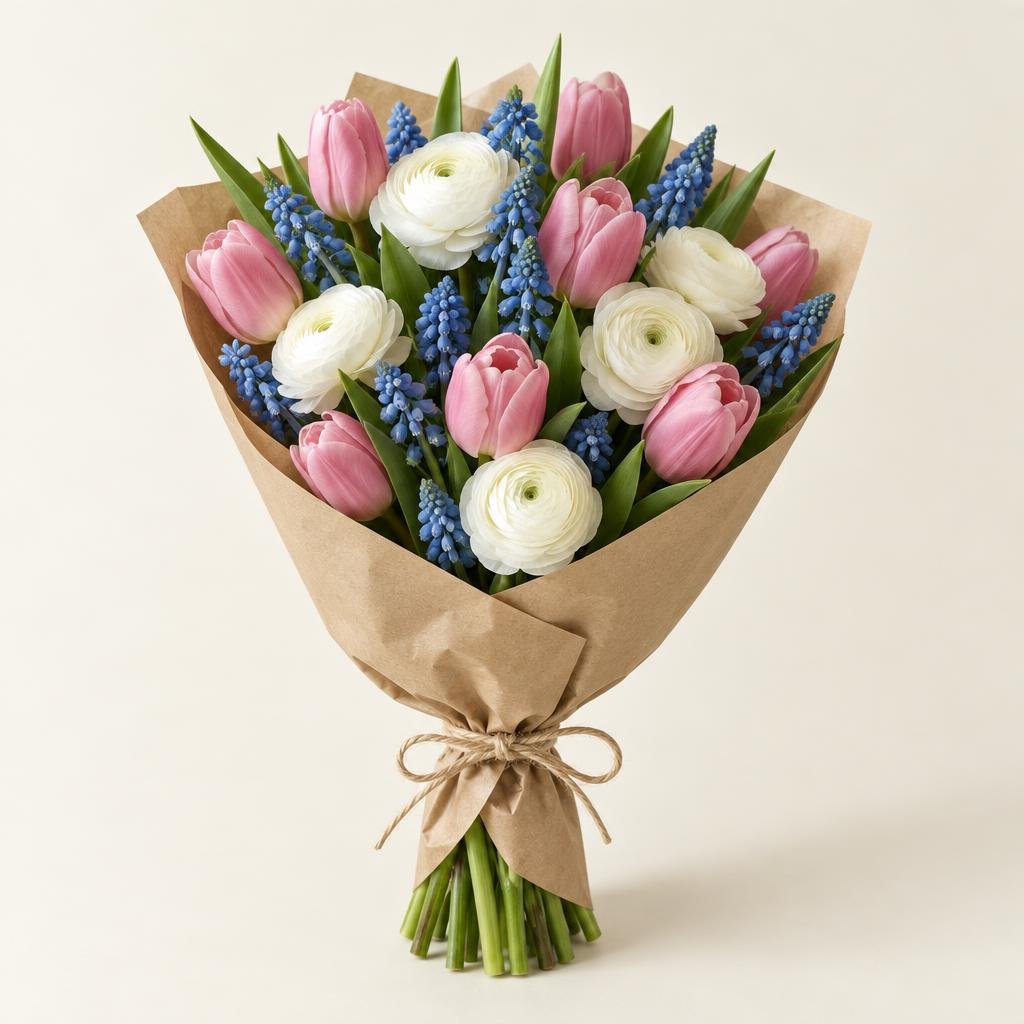
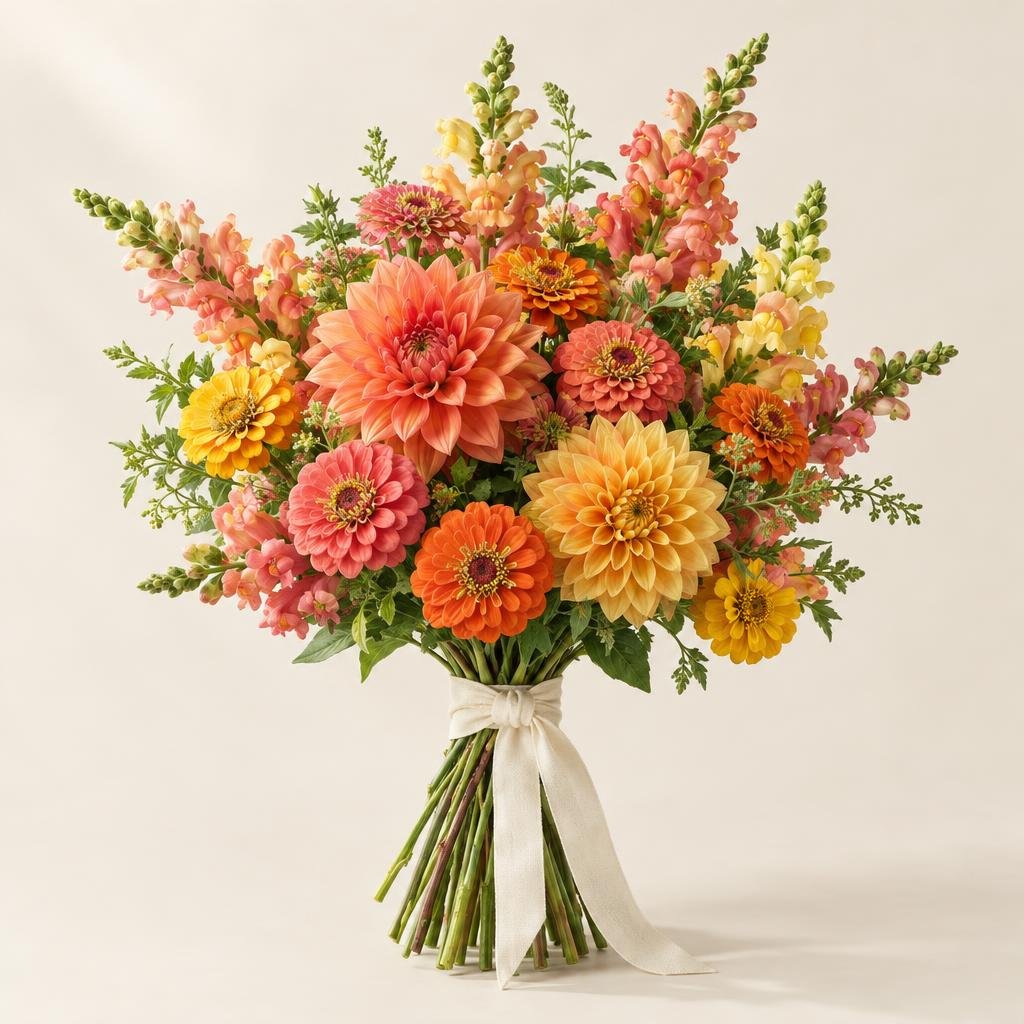
Different flowers behave differently. Dahlias and zinnias are sturdy, tulips keep growing in the vase and lean toward the light, and ranunculus are delicate. Knowing this helps you arrange and enjoy them. A bouquet is a mix of personalities, and a little attention to each one goes a long way toward keeping the whole thing looking good.
Tulips are the one that surprises people. They keep stretching after they are cut, and the stems bend toward a window. Turning the vase now and then keeps them from leaning too far. Because they grow taller, a tulip bouquet can look quite different after a few days, with longer stems and more open heads. That is normal, and part of their charm.
Dahlias and zinnias are forgiving, but they still do best with clean water and a fresh trim. Dahlias have hollow, thick stems, so make sure they are well supported and sitting in enough water. Zinnias have rough, hairy stems that hold bacteria easily, so strip any leaves below the water and change it often. Both reward a little care with strong color.
Ranunculus need the gentlest handling. Their stems are thin and soft, and they can bend or snap if you press them against the rim of a vase. Give them room, keep them cool, and handle the heads lightly. Once you know which stems are tough and which are fragile, arranging gets easier, and your bouquet stays a pleasure to look at for longer.