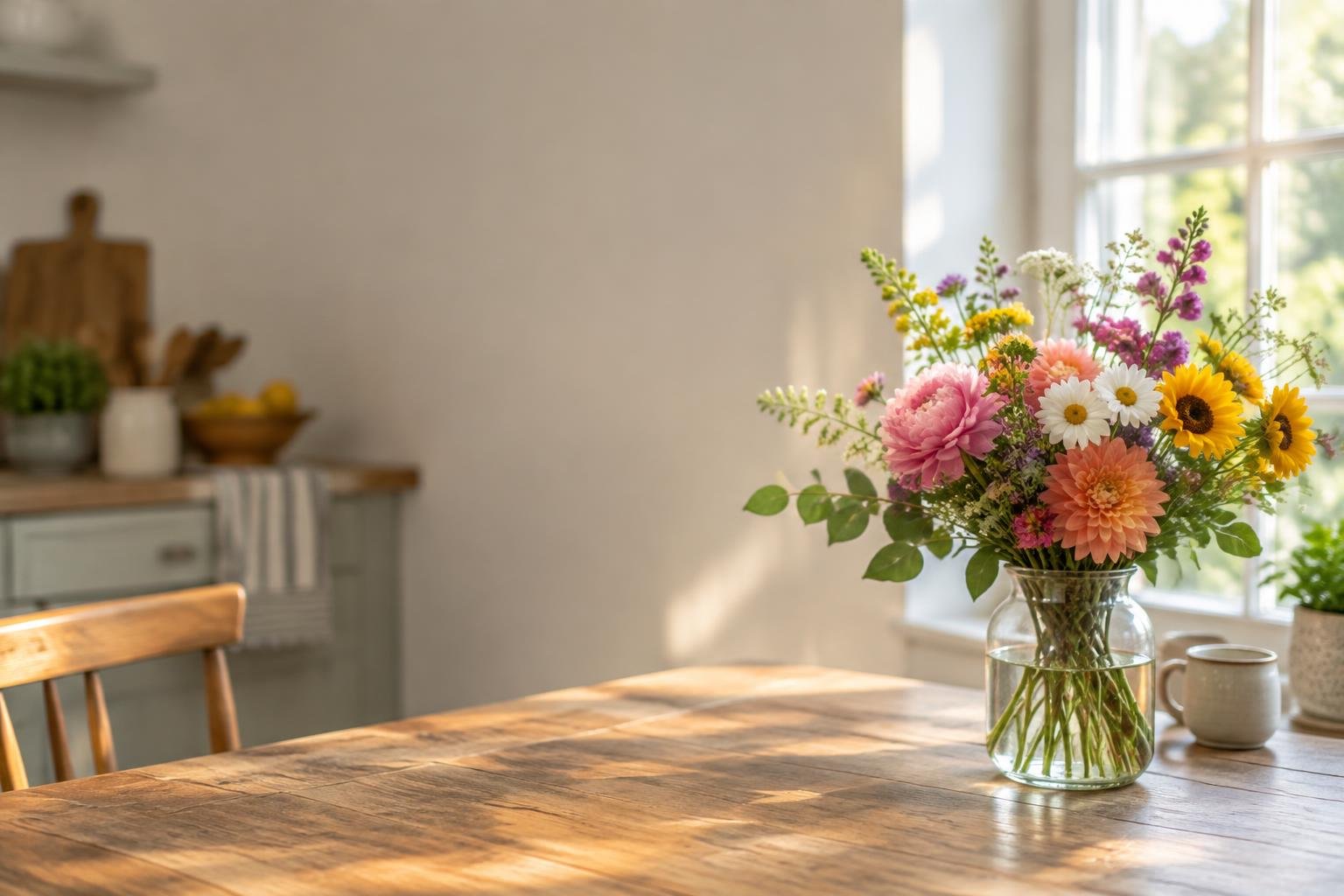
Fresh and dried flowers do different jobs, and it helps to know which one you want before you buy. Fresh flowers bring scent, color that changes day by day, and the pleasure of watching a bunch open. They ask a little attention in return, mainly clean water and a tidy stem.
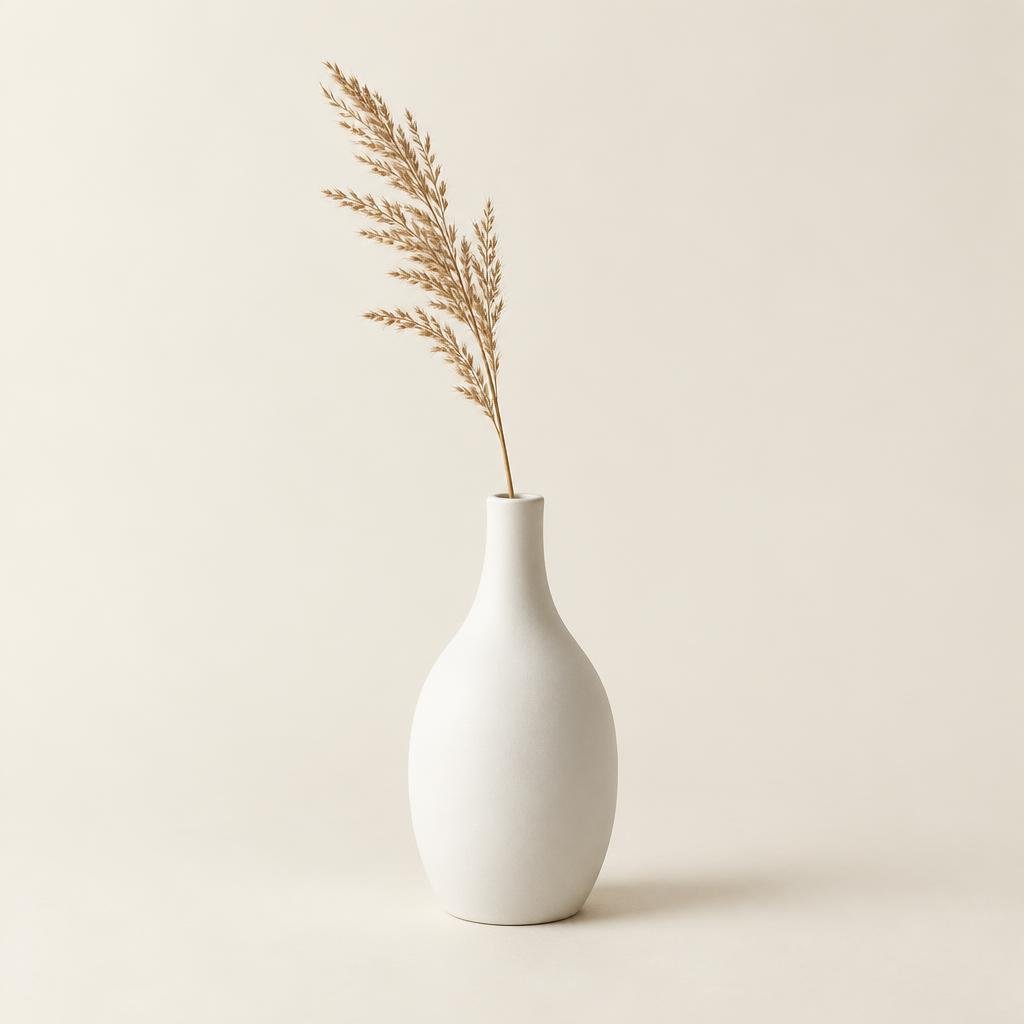
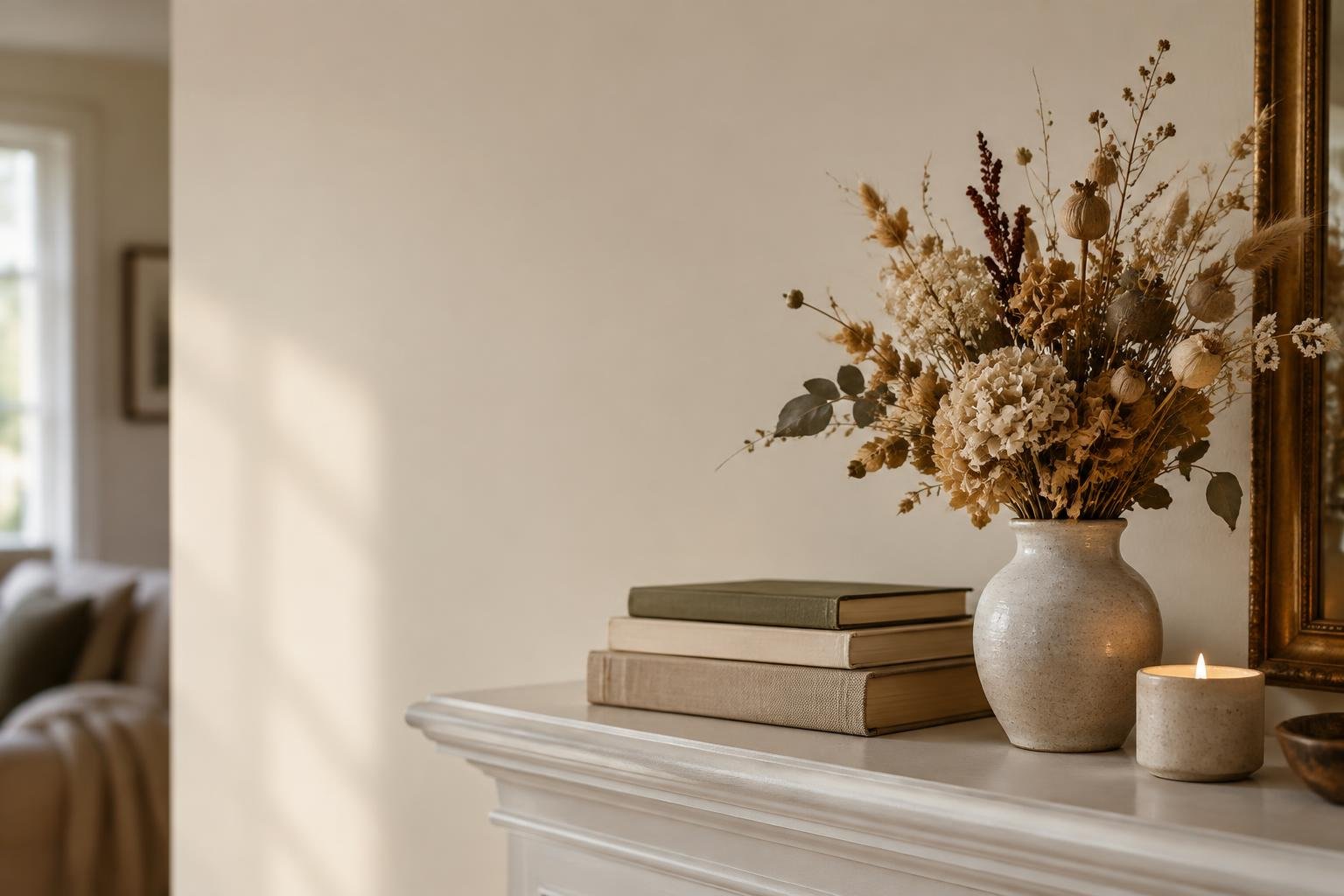
Dried flowers are the quiet option. They hold their shape and need no water, so they suit shelves, mantels and corners where you would forget a vase. Their colors soften as they dry, giving rusty, dusty and muted tones that fit a calm room well.
It is worth saying plainly that neither is better. People sometimes treat dried flowers as the lesser choice, a thing you settle for, and that misses the point. A dried arrangement has its own character, and a fresh bunch has its own. The real question is what you want from the flowers in your home.
Where the Flowers Will Sit
Think about where the flowers will sit. A kitchen table you pass a dozen times a day suits a fresh bunch, because you will notice when the water needs changing. A hallway or bookshelf suits dried stems that can be left alone for months.
Light and warmth matter here as well. Fresh flowers last longer away from hot windows, heaters and ripening fruit. Dried flowers fade faster in strong sun, so a spot in direct light will slowly bleach their tones. A place with gentle, indirect light suits both kinds well.
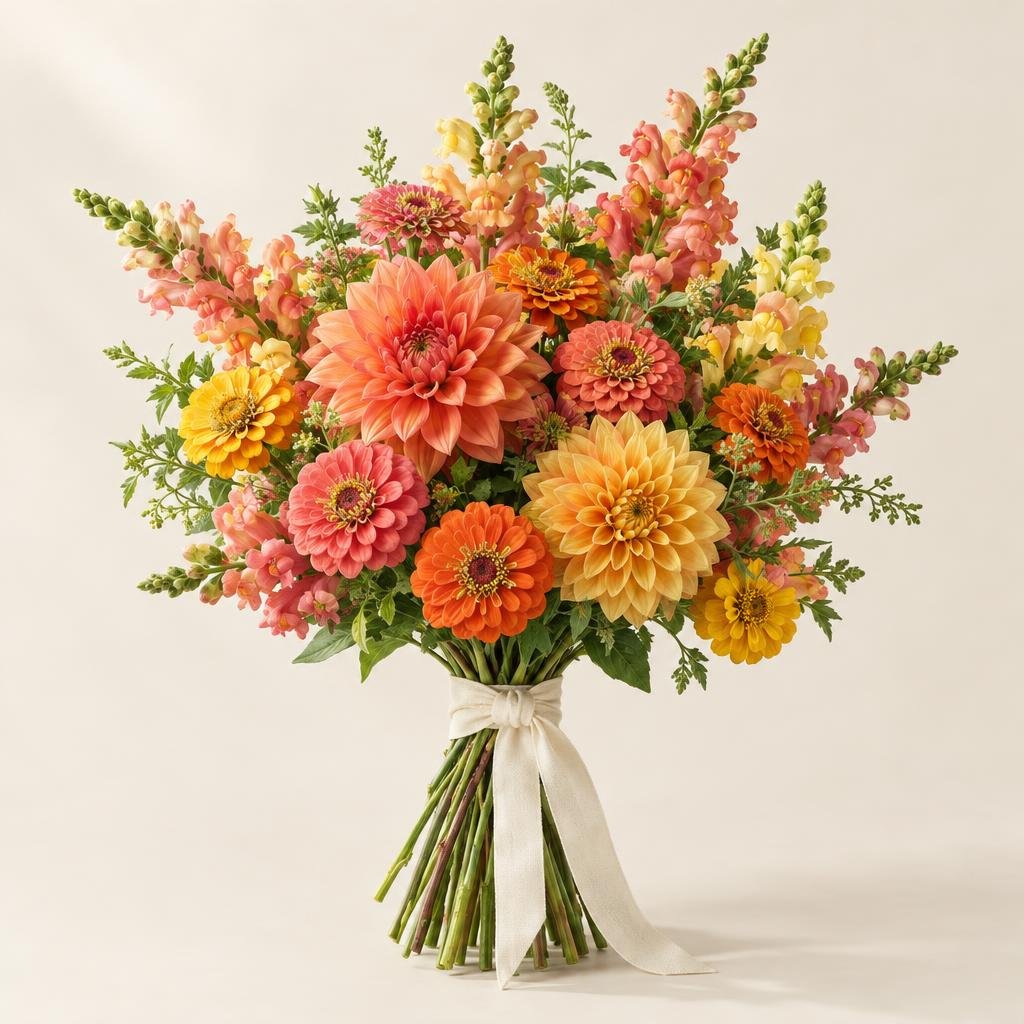
Space is a quiet factor too. A wide, loose fresh bouquet needs room to spread, and it looks best where it can be seen from several sides. Dried arrangements are often more upright and compact, and they sit happily against a wall or tucked into a narrow shelf where a vase of fresh stems would feel crowded.
Think about movement in the room as well. Dried stems are brittle, so a spot where children, pets or passing elbows might knock them is a poor choice. A fresh bouquet in a heavy vase is sturdier, and a few bent stems can simply be trimmed and put back.
What the Season Offers
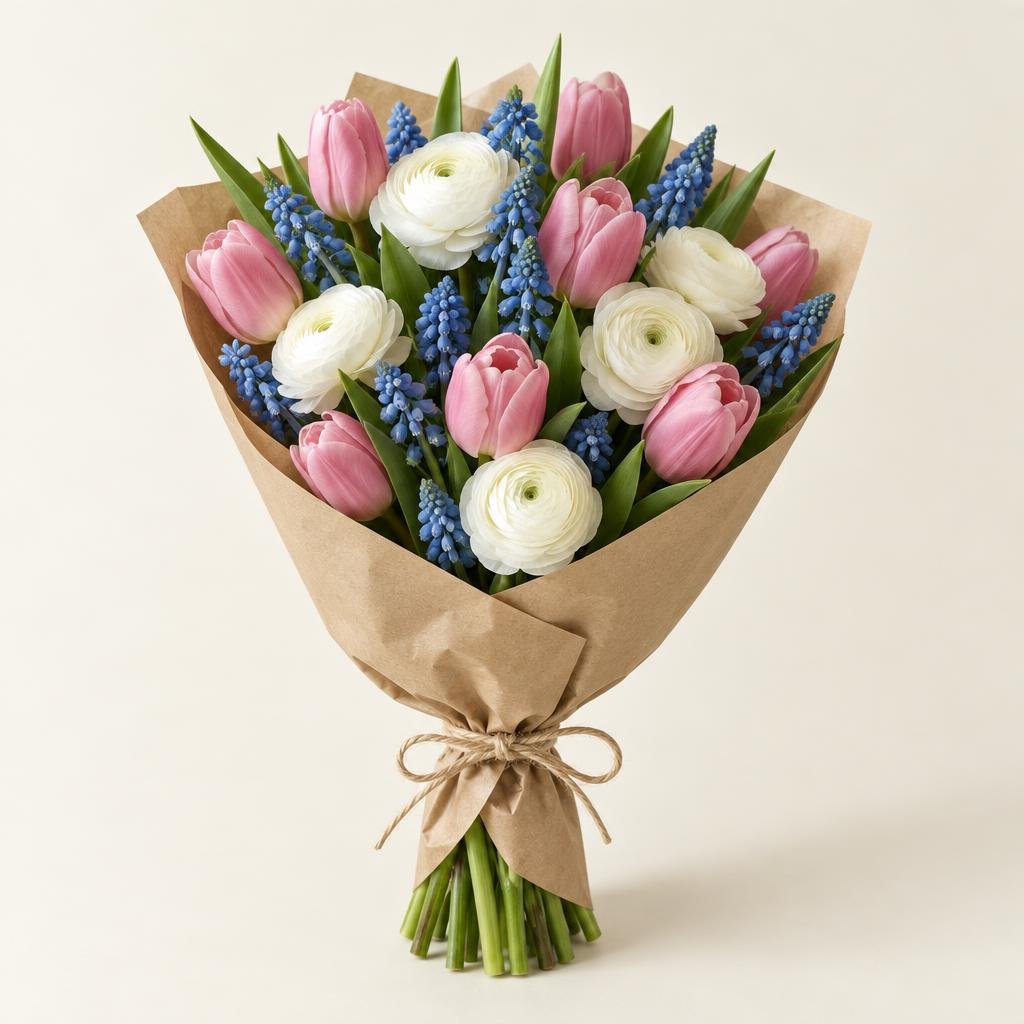
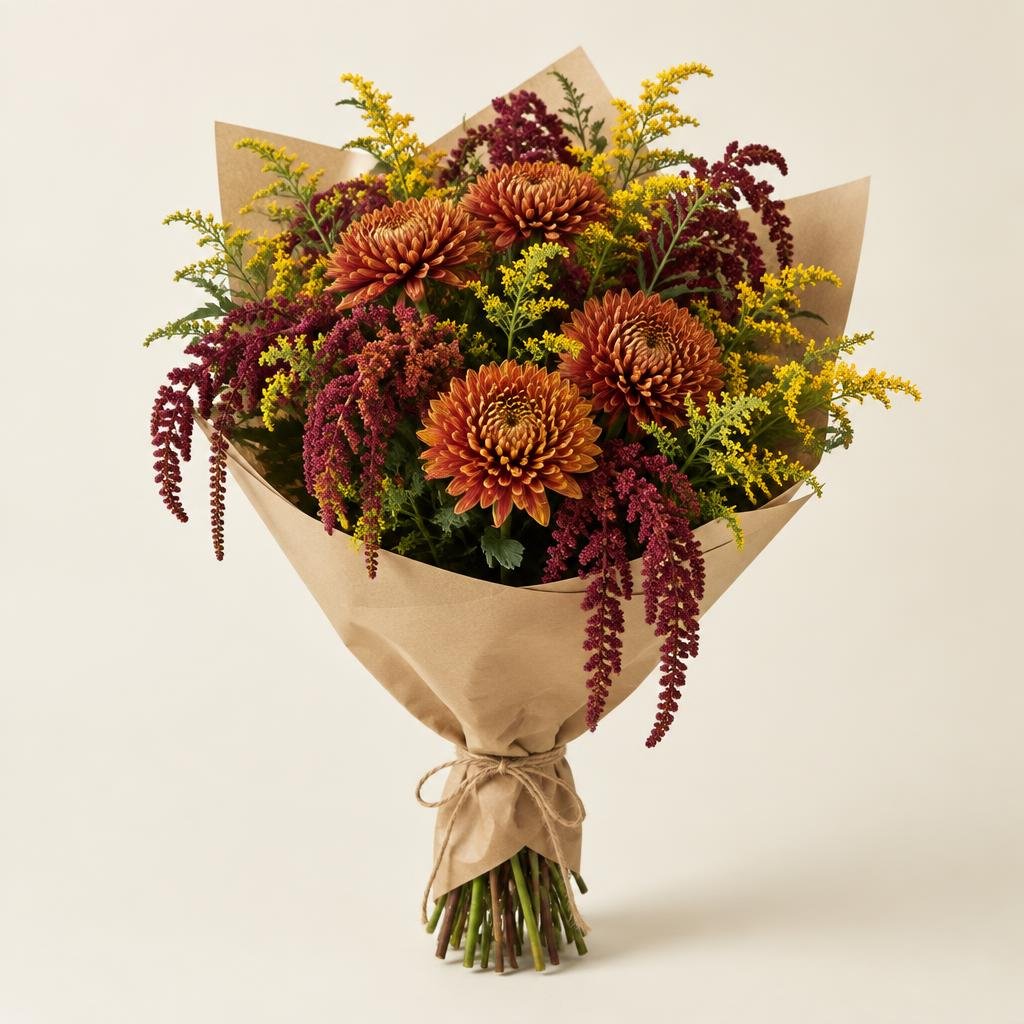
Consider the season too. Spring brings tulips, ranunculus and muscari, which look best fresh and are gone quickly. Autumn flowers such as chrysanthemum, amaranthus and solidago are sturdy and also dry well, so they bridge the two worlds.
There is a reason some flowers dry well and others do not. Blooms with low moisture and firm, papery petals keep their form as the water leaves them. Soft, thin petals with lots of water inside tend to shrivel and brown. That is why a tulip is a fresh flower and a statice or strawflower is a dried one.
Buying in season also tends to give you better flowers. Stems at their natural peak are fuller, stronger and longer lasting in the vase. Out-of-season flowers can still be lovely, but they often cost more and ask for more care to look their best.
If you like a particular flower that does not dry well, there is no need to give it up. Enjoy it fresh while it lasts, and let the sturdier stems carry the dried arrangements. Knowing which flowers belong in which group saves a good deal of disappointment later.
Scent, Cost and Mixing Both
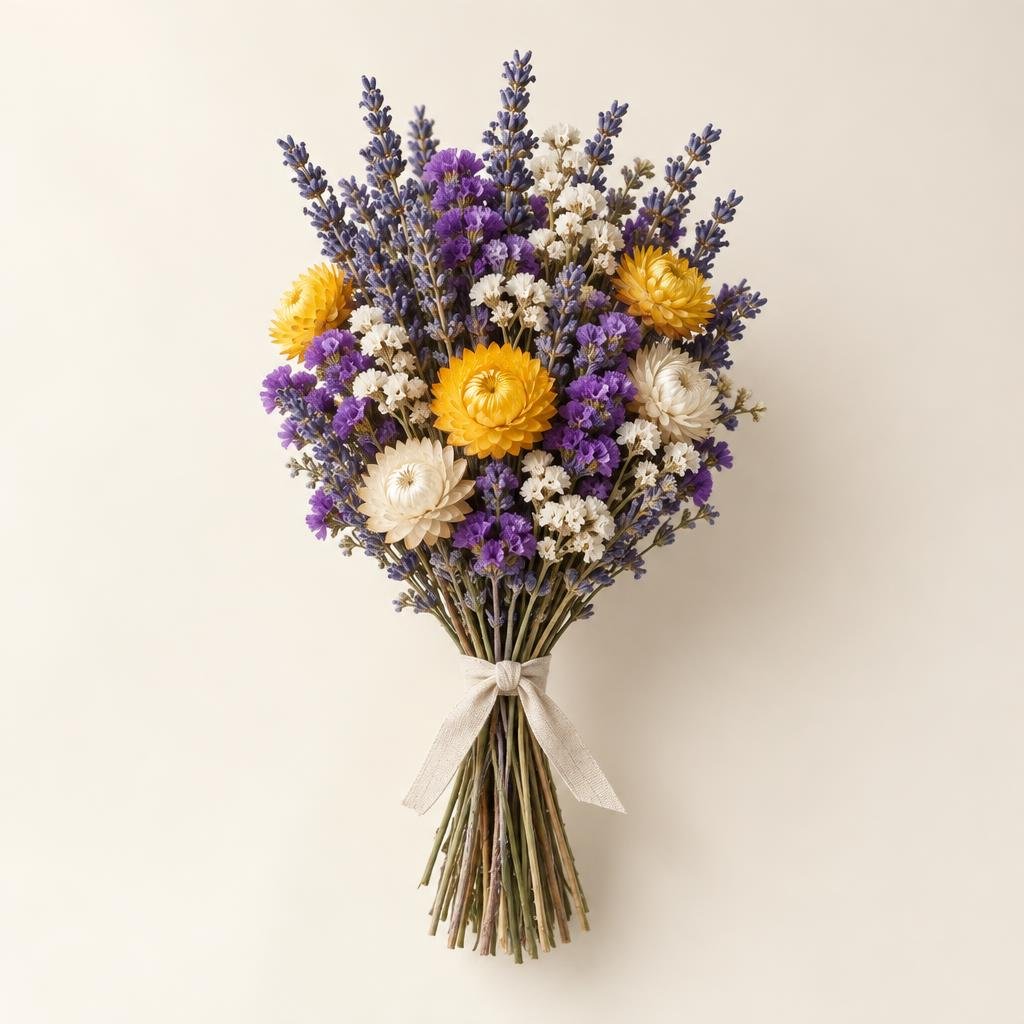
Scent matters more than people expect. Some fresh flowers perfume a whole room, which is lovely for some and too much for others. Dried arrangements are far gentler, and lavender is the exception, keeping a light fragrance.
If you are sensitive to strong smells in a small space, choose fresh flowers with a light touch, or keep a heavily scented bunch to a larger room. A dining table is worth thinking about, since strong perfume can compete with food. Dried flowers sidestep the question almost entirely.
Cost over time is another way to look at it. A fresh bouquet is a short pleasure, while a dried arrangement keeps working as decoration. Many people do both, with a dried arrangement as the constant and fresh flowers added for a weekend or a gathering.
A mixed approach also keeps a home from feeling static. The dried piece gives you a steady backdrop, and the fresh stems bring a change of color and mood each time. Over a year you may find you spend less than you expected, because the dried arrangement does the everyday work.
If you cannot decide, start with a small dried posy and a single fresh bouquet and see which you reach for. Most homes end up wanting a little of each.